
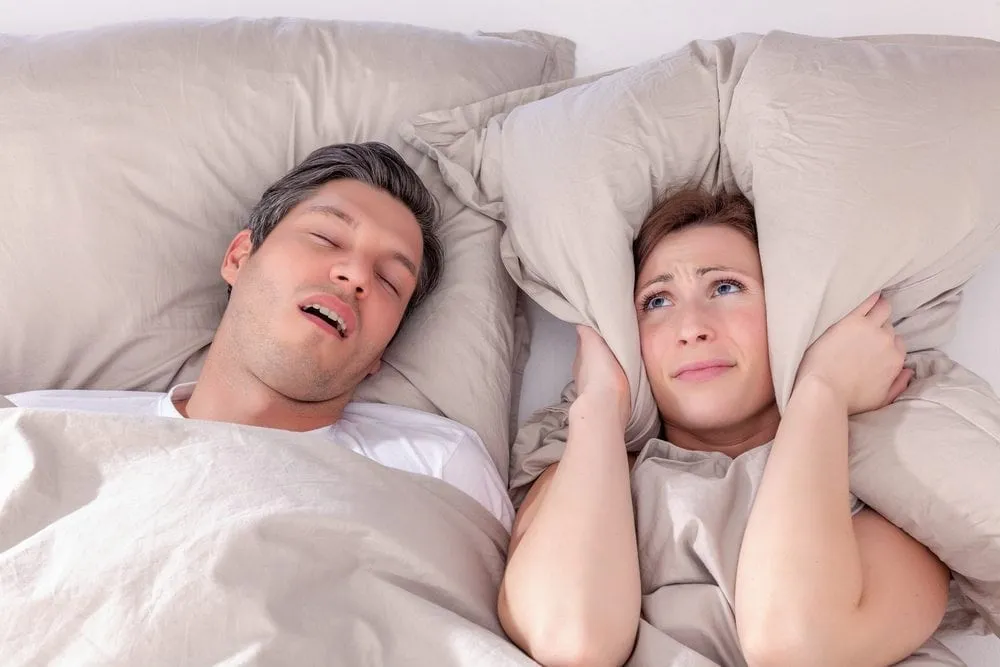
Sleep apnea is a dangerous sleep disorder that interferes with healthy breathing patterns during sleep. It is characterized by snoring, which may be so loud that it affects the sleep quality of bed partners. Having sleep apnea can put a strain on relationships, cause daytime fatigue, and even lead to other secondary conditions like depression. Worse, severe cases of sleep apnea can be life threatening.
Though snoring is a primary symptom of sleep apnea, not all people who snore actually have sleep apnea. As much as 50 percent of Americans snore at some time, whether occasionally or chronically. However, only 20 percent of American adults have sleep apnea. So how do you know the difference? Harmless snoring does not interfere with breathing patterns. Sleep apnea, on the other hand, causes breathing cessations and sometimes ‘gasping’ during sleep.
What types of treatments are available for people with sleep apnea?
There are many ways of treating the symptoms of sleep apnea. This may include conservative approaches, such as a new sleeping position or the use of an oral appliance. If your apnea symptoms are severe or conservative treatments are not working, you may be prescribed a continuous positive airway pressure device (CPAP) to open the airway. In severe cases, surgery may be necessary. Keep in mind that a diagnosis of sleep apnea is not always permanent. Many patients find that losing weight can be an effective way of opening the airway during sleep.
Did you know that between 1/3 and 1/2 of all adult Americans snore or have snored at some point? However, snoring – even chronically – is not necessarily indicative of sleep apnea. In fact, only 1/5 of adults have some form of sleep apnea, which can be a life-threatening condition. The difference between benign snoring and sleep apnea is that apnea patients experience cessations in their breathing patterns and may suddenly gasp for air or choke in their sleep. This can lead to severe drowsiness and fatigue during the day, as well as depression, memory loss and decreased libido. Sleep Apnea & Snoring treatment for sleep apnea and snoring usually depends on the severity of the condition and whether patients are experiencing apnea or simple snoring. Some of the most common treatments include behavioral modifications, oral sleep appliances, continuous positive airway pressure devices, and in some cases surgery.
Did you know…
that you can reduce your chances of snoring or developing apnea by changing a few simple habits? According to the American Association of Oral and Maxillofacial Surgeons, one of the most effective ways of alleviating apnea and snoring is by losing weight. The AAOMA suggests that just 10 pounds can be enough weight loss to help open up the airways and reduce apnea symptoms. Other ways of preventing the condition include changing your sleep position, avoiding tobacco products, and maintaining regular sleeping habits.
Frequently Asked Questions
Do I need treatment for sleep apnea?
You may need to see a doctor if you or your partner have been awakened by your chronic snoring and/or gasping for air. Though this condition can be very dangerous, your doctor can help you discover ways of managing sleep apnea and protecting healthy breathing during sleep.
How will my doctor screen for sleep apnea?
Your doctor’s first goal will be to determine whether your snoring is benign or a symptom of sleep apnea. This may be determined by speaking with you and your partner about your symptoms. If you do not have a partner who can confirm snoring or breathing interruptions, your doctor may request a sleep study.
Do I need treatment for sleep apnea or snoring?
You may need treatment for snoring if the condition is disrupting the sleep of your partner or other people who live with you. You definitely need treatment for sleep apnea if you or your partner notice some of the dangerous symptoms of this condition. Contact your dentist immediately to discuss your options for managing or treating sleep apnea.
What should I expect during treatment for sleep apnea or snoring?
Your treatment will depend on the extent of your symptoms. In mild to moderate cases, conservative approaches are used first. Patients who do not respond to these methods may be fitted with an oral appliance, given a pressurized airflow mask, or otherwise advised to undergo surgery to open up the airway.
Are there any steps I need to take to improve my outcome?
You may be able to avoid more invasive treatments by finding ways of reducing the severity of your symptoms. Some patients find it beneficial to sleep with their heads propped up, whereas others find relief by sleeping with a tennis ball under their backs. Talk with your dentist about the options available to you and ways that you can contribute to the management of your condition.